Abuja — The Federal Government has moved to reassure Nigerians that the ongoing global energy crisis triggered by the closure of the Strait of Hormuz will not lead to the kind of fuel shortages and pump price chaos that plagued the country in previous years.
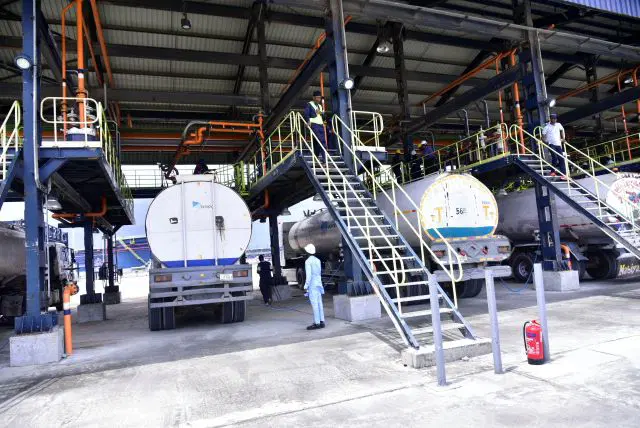
In its Q2 2026 Energy Sector Outlook released today, the Society of Energy Editors, SEE, confirmed that domestic refining capacity anchored by the Dangote Refinery and supported by modular refineries now covers between 75% and 85% of the nation’s fuel needs. This structural shift, the Ministry stated, means Nigeria is no longer a passive victim of global refined product supply shocks.
“We have entered this period of global turbulence from a position of strength,” a senior official said. “The Dangote Refinery is operating stably, and the OB3 gas pipeline is now delivering the gas balancing our power sector has needed for years. Nigerians should expect stability in PMS supply and price, even as global markets remain volatile.”
Pump Price to Remain Stable
The projects that the pump price of Premium Motor Spirit (PMS) will be maintained within a band of ₦800 to ₦1,200 per litre for the second quarter, absorbing the impact of the global price spike through increased crude oil revenues rather than passing the full cost to consumers.
However, the government noted that diesel (AGO), which is fully deregulated, will see price increases due to global market forces. Projections place diesel between ₦1,600 and ₦2,800 per litre. Officials acknowledged that this would create challenges for transportation, manufacturing, and agriculture and stated that targeted interventions—including the accelerated rollout of compressed natural gas (CNG) conversion kits—are being fast-tracked to cushion the impact on businesses and households.
Security Concerns Addressed
The outlook also addressed security challenges in the oil-producing Niger Delta region. While the government noted progress on the Ogoni implementation framework—including the constitution of a community equity trust and the funding of a remediation escrow—it acknowledged ongoing tensions.
Specifically, the report highlighted “ongoing bickering by reformed militant leaders over security contract of oil pipelines and facilities” as a risk factor that could impact crude oil production if not swiftly resolved. The Ministry committed to initiating a stakeholder engagement process to address these concerns and ensure that pipeline protection remains robust, especially as higher global prices increase the incentive for theft.
Power Sector: Progress Amid Pressure
On the power front, the government celebrated the successful commissioning of the OB3 gas pipeline, which for the first time provides east-west gas balancing to the national grid. This, officials said, has improved gas supply reliability for thermal power plants.
However, the report acknowledged that the power sector faces new affordability pressures. The spike in diesel prices has increased the cost of plant startup and backup generation, while gas prices linked to international benchmarks have also risen. The government indicated it is considering targeted liquidity support to prevent a financial collapse in the electricity market, ensuring that improved gas supply translates into reliable electricity for homes and businesses.
The government urged Nigerians to view the Q2 outlook as a reflection of the progress made over the past year. “The painstaking execution of the past twelve months—stabilizing refining, commissioning critical gas infrastructure, and advancing community-based security models—has fundamentally altered our vulnerability profile,” the report stated.
“The task ahead is to maintain policy coherence and ensure that the benefits of increased crude revenues are channeled into protecting Nigerian consumers and businesses from the worst of global volatility.”
This article was originally posted at sweetcrudereports.com
Be the first to comment