Mkpoikana Udoma
Port Harcourt — Nigeria is recalibrating its human capital strategy for the energy sector, moving decisively away from conventional postgraduate sponsorships toward structured, outcome-driven training models designed to deliver industry-ready expertise.
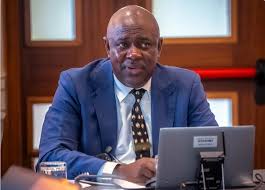
Minister of State for Petroleum Resources, Senator Heineken Lokpobiri, disclosed this during engagements at Universiti Malaya, where he met with Nigerian scholars and senior university officials as part of efforts to deepen institutional partnerships supporting sector transformation.
“Beyond conventional postgraduate sponsorships, our workforce development strategy now prioritizes structured and outcome-driven training models,” Lokpobiri said, stressing that Nigeria is deliberately aligning with institutions that demonstrate “strong industry relevance and academic excellence.”
According to him, the objective is to build “a pipeline of expertise capable of supporting a more competitive, efficient, and future-ready energy sector.”
Lokpobiri explained that the Universiti Malaya visit, undertaken alongside the Executive Secretary of the Petroleum Technology Development Fund, PTDF, and other stakeholders, was both a student engagement and a strategic review of collaboration frameworks, particularly as Nigeria prepares to roll out the first cohort of the College of Petroleum and Energy Studies, Kaduna, CPESK,
“My visit to Universiti Malaya provided a valuable platform to engage with our sponsored scholars while concurrently reviewing and deepening our institutional partnership,” he said, describing the timing as critical to CPESK’s take-off.
At the heart of the new training architecture is a CPESK-led split-site programme, designed to blend domestic capacity building with international exposure.
Lokpobiri noted that the model mirrors existing arrangements with three universities in the United Kingdom and is intended to ensure practical skills transfer rather than purely academic outcomes.
“Central to this is the CPESK-led split-site programme, which will combine local capacity building with international exposure,” he said. “This ensures practical, industry-focused skills transfer that directly supports sector transformation.”
The minister further linked the strategy to the broader economic vision of the Tinubu administration, which places the energy sector at the core of national growth plans.
“Nigeria, under the leadership of President Bola Ahmed Tinubu, remains firmly committed to driving sustained growth in the energy sector,” Lokpobiri stated. “We recognize it as the surest and most expedient pathway to economic expansion, revenue optimization, and national development.”
He added that this strategic focus continues to shape government investments in people, partnerships, and institutional frameworks critical to repositioning Nigeria’s energy industry for long-term competitiveness.
This article was originally posted at sweetcrudereports.com
Be the first to comment