– Iran’s supreme leader says will keep Strait of Hormuz closed
– Iranian boats attacked two tankers in Iraqi waters, port officials said
– IEA release of 400 million barrels may offer only limited relief, analysts say
New York – Oil prices rose about 9% on Thursday as Iran stepped up attacks on oil and transport facilities across the Middle East, and the country’s supreme leader said the closure of the vital Strait of Hormuz should continue.
Brent futures extended gains to climb up $8.05, or 8.8% to $100.03 at 10:25 a.m. ET or 1425 GMT, while U.S. West Texas Intermediate crude climbed $8, or 9.2% to $95.25.
Prices of both contracts were trending higher after U.S. Energy Secretary Chris Wright told CNBC that the Navy cannot escort ships through the Strait of Hormuz now but it was “quite likely” that could happen by the end of the month. However, global oil prices are unlikely to hit $200 a barrel, he said, even Iran if continued to strike merchant ships.
Two fuel tankers in Iraqi waters were struck by explosive-laden Iranian boats, Iraqi security officials said early on Thursday, while an Iraqi official told state media that its oil ports “have completely stopped operations.”
Oman shifted all vessels out of its main oil export terminal at Mina Al Fahal outside the Strait of Hormuz in a precautionary move, a Bloomberg News report said.
Brent hit $119.50 a barrel on Monday, its highest since mid-2022, then dropped after U.S. President Donald Trump said the Iran war could be over soon.
The war in the Middle East is causing the biggest oil-supply disruption in the history of global markets, the International Energy Agency said on Thursday, a day after approving the release of a record volume of 400 million barrels of oil from strategic stockpiles.
Middle East Gulf countries have cut total oil production by at least 10 million barrels per day – a volume equalling almost 10% of world demand, the agency said in its latest monthly oil market report.
A detailed breakdown has not been provided yet, so there is some scepticism in the market that the full volume will actually be released, Energy Aspects analysts said, adding that a total of 400 million barrels of mostly crude and some products inventories is only equivalent to 25 days of the current disruption to flows.
Goldman Sachs forecast Brent crude prices would average $98 per barrel in March and April before declining to $71 by the fourth quarter, but warned that in an upside-risk scenario, where flows through the strait are disrupted for a month, the March and April average could surge to $110.
“The only way to see oil prices trade lower on a sustained basis is by getting oil flowing through the Strait of Hormuz,” ING analysts said. “Failing to do so means that the market highs are still ahead of us.”
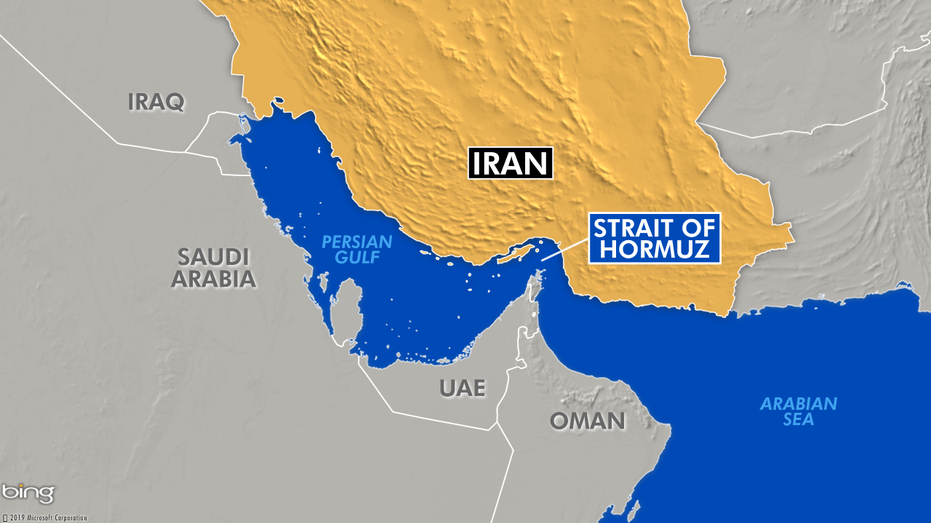
The Strait of Hormuz runs past Iran’s coast and supplies a fifth of the world’s oil and liquefied natural gas.
LEBANON, CHINA, UKRAINE
Lebanon’s Hezbollah launched its biggest rocket salvo of the current war on Wednesday night, prompting Israeli strikes that shook Beirut. Hezbollah’s attack also raised fears about Yemen’s Houthis joining the war alongside Iran, in a potential development that could further disrupt Red Sea shipping. Saudi Arabia has ramped up crude exports from its Red Sea port of Yanbu in recent days.
Also on the supply side, China has ordered an immediate ban on refined fuel exports in March, a further step to preempt a potential domestic fuel shortage caused by the Middle East conflict, sources said on Thursday.
Ukraine struck the Tikhoretsk hub, an oil pumping station in , an official from Ukraine’s SBU security service said on Thursday, targeting one of the largest oil points in southern Russia and the only supply route for petroleum products to the key Black Sea port of Novorossiysk.
*Siddharth Cavale, Enes Tunagur, Sam Li & Siyi Liu; editing: Pooja Desai, Kirsten Donovan & Louise Heavens – Reuters
This article was originally posted at sweetcrudereports.com
Be the first to comment