Precious Anga
Lagos — Global oil prices are heading toward their sharpest monthly decline in years as traders increasingly wager on a possible diplomatic breakthrough between the United States and Iran, despite ongoing disruptions across one of the world’s most critical energy corridors.
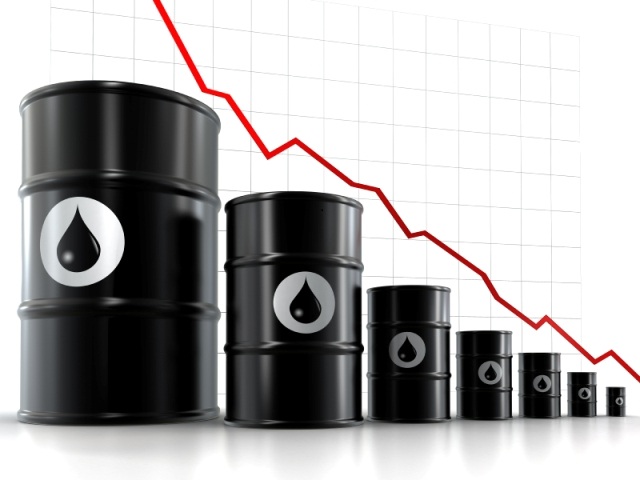
Brent crude was on track to tumble about 19 per cent in May, marking its steepest monthly slide since 2020, as markets responded to expectations of an extended ceasefire and renewed negotiations involving Tehran and Washington.
Market data on Friday showed Brent crude hovering around $93.84 per barrel, while U.S. benchmark West Texas Intermediate, WTI, traded lower at about $88.94 per barrel. The downturn comes barely weeks after oil recorded its strongest monthly rally on record in April amid severe supply concerns linked to Middle East tensions.
The latest price retreat reflects growing market confidence that diplomatic engagement could help restore stability around the Strait of Hormuz, a strategic shipping route that carries a substantial share of global crude and fuel trade.
Reports indicating a possible 60-day extension of the ceasefire and discussions around reopening the Strait have strengthened investor sentiment, triggering aggressive selling across oil markets.
However, uncertainty continues to cloud the outlook. Any formal extension of the ceasefire is still expected to require approval from U.S. President Donald Trump, whose administration has maintained a hardline negotiating posture.
White House officials this week reiterated that Washington would only pursue what they described as “a good deal” with Iran, while mixed signals from both sides continued to inject volatility into the market.
Oil prices have swung sharply throughout the week following fresh U.S. military strikes on targets in Iran, actions described by the U.S. Central Command as defensive operations. The developments reignited concerns about the durability of diplomatic efforts and the broader security outlook in the Gulf.
For energy-dependent economies such as Nigeria, softer crude prices could present fresh fiscal concerns. The country’s budget projections remain heavily tied to oil earnings, meaning sustained weakness in global prices may place additional pressure on revenue generation, foreign exchange inflows and public spending plans.
Analysts say the market is now caught between two powerful forces: the physical reality of supply disruptions and the financial market’s growing belief that diplomacy could eventually ease tensions and reopen blocked trade routes.
Whether oil prices continue their downward march may ultimately depend on the next moves from Washington and Tehran, and on how quickly confidence returns to global energy shipping channels.
This article was originally posted at sweetcrudereports.com
Be the first to comment