 Precious Anga
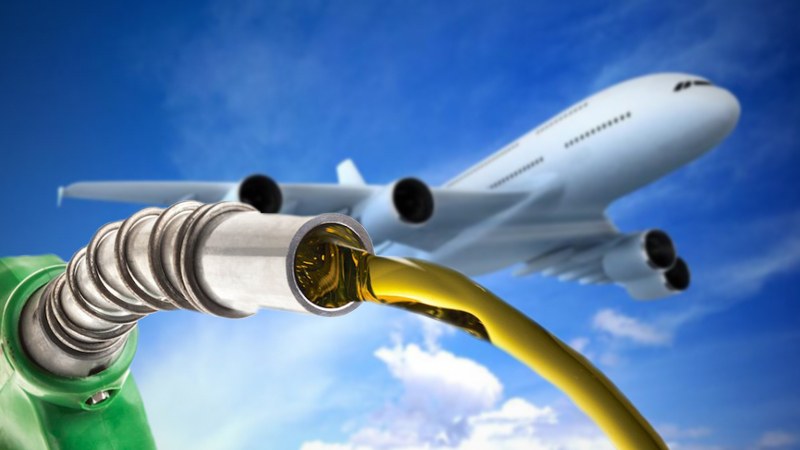
Lagos — Dangote Petroleum Refinery has reduced its aviation fuel gantry price by ₦100 per litre, lowering the ex-depot price of Jet A1 from ₦1,750 to ₦1,650 per litre in a move expected to ease pressure on Nigeria’s struggling airline industry.
The refinery disclosed the adjustment on Monday, saying the latest price cut forms part of broader measures aimed at supporting domestic carriers and stabilising aviation fuel supply across the country.
The development comes weeks after Nigerian airlines raised fresh concerns over soaring aviation fuel costs, warning that continued price volatility could disrupt flight operations.
Operators under the Airline Operators of Nigeria (AON) had argued that local Jet A1 prices rose far beyond international market trends following the escalation of tensions between the United States and Iran.
According to industry estimates, aviation fuel prices climbed from around ₦900 per litre before the geopolitical crisis to between ₦2,700 and ₦2,900 per litre in parts of the market, with some suppliers reportedly selling as high as ₦3,300 per litre.
Dangote Refinery said the new pricing structure goes beyond the ₦100 reduction, announcing a 30-day interest-free credit arrangement for airline operators and fuel marketers backed by bank guarantees.
The company also confirmed a shift away from dollar-based pricing to a naira-denominated model, a move industry players believe could reduce exchange rate exposure for local operators.
In a statement, the refinery said the intervention was designed to cushion the impact of rising operating costs on airlines, where aviation fuel remains one of the largest cost components.
The refinery noted that persistent increases in Jet A1 prices had placed significant financial pressure on carriers, raising concerns over the sustainability of operations in the sector.
Industry observers say the latest price cut could provide short-term relief for airlines through lower fuel procurement costs, improved cash flow and more predictable pricing conditions.
The reduction may also influence airfare trends if operators pass some of the savings to passengers, although market analysts say the full impact will depend on broader fuel market dynamics, foreign exchange conditions and competition among suppliers.
This article was originally posted at sweetcrudereports.com
Be the first to comment