Goli Innocent
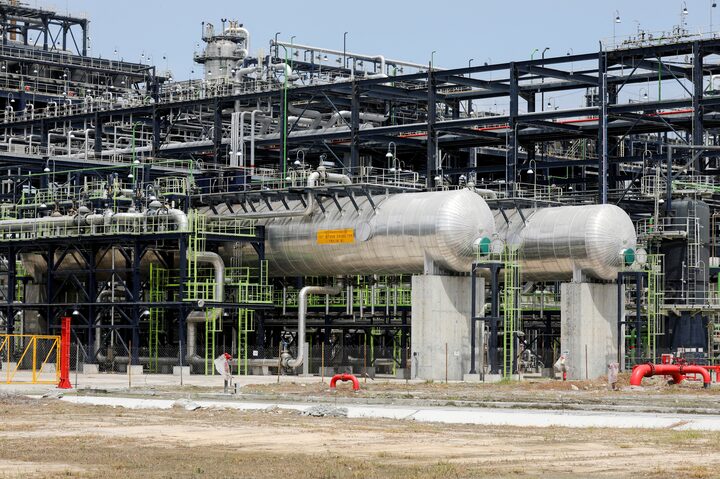
Lagos — The Dangote Petroleum Refinery has moved to deepen its grip on Nigeria’s aviation fuel market with plans to supply jet fuel directly to airlines at ₦1,820 per litre, a development that could reshape pricing and competition in the sector already battling high operating costs.
A senior official of the refinery confirmed that airlines can now buy directly from the Lekki-based plant, noting that the facility already accounts for more than 90 per cent of Nigeria’s aviation fuel supply. According to the source, “Anyone, including local airlines, can buy their requirements from our petroleum refinery,” adding that the ₦1,820 per litre rate applies at the loading bay.
The refinery has already started direct supply to Ethiopian Airlines, according to its management, and says more international and domestic carriers are expected to follow as distribution channels expand. The move is being positioned as part of a push for transparency and direct access in pricing.
The official also made it clear that the refinery is not running a blanket subsidy on aviation fuel. “We cannot be subsidising airlines in the face of high oil prices,” the source said, explaining that while petrol and diesel have enjoyed some level of price support, jet fuel will strictly follow market conditions.
Another internal source said the refinery will begin publishing daily prices to reflect market movements. “The US-Iran war has dealt a heavy blow to everybody, and we are not insulated from the global shock,” the source said, adding that prices will remain flexible due to global volatility.
The development comes at a tense moment for Nigeria’s aviation sector, where operators have repeatedly complained about rising Jet A-1 costs. In recent weeks, airlines threatened shutdown over soaring fuel prices before government intervention helped ease immediate pressure.
At the peak of the crisis, jet fuel prices jumped from about ₦900 per litre to as high as ₦3,500 in some depots, according to airline operators. Even with recent adjustments, industry players say costs remain unsustainable for many domestic carriers already struggling with forex and maintenance expenses.
The Lagos Chamber of Commerce and Industry has also weighed in, urging government not to allow airlines collapse under pressure but warning against subsidy-style interventions. It said the solution lies in reducing operational costs without distorting the market.
Industry stakeholders say the Dangote refinery’s direct sales model could reduce middlemen and bring more clarity to pricing, but they also warn that global crude volatility will continue to dictate local fuel costs.
For now, airlines are watching closely as direct supply begins to take shape, with the hope that increased competition and transparency will bring some stability to a sector still under heavy cost pressure.
This article was originally posted at sweetcrudereports.com
Be the first to comment