Berlin -The EU imported a record amount of Russian Arctic LNG from the Yamal LNG project in the first 4 months of 2026, according to new analysis of Kpler data published today by Urgewald.
The EU received 91 cargoes from Yamal between January and April or 98 percent of all Yamal LNG exports that reached their final destination during the period. EU imports were 17.2 percent higher than in the same period of 2025, rising from 5.71 million tonnes to 6.69 million tonnes. April mirrored this wider trend, with EU deliveries rising 17.1 percent compared with April 2025.
Urgewald analysis indicates this is the highest January-to-April volume of Yamal LNG imported by Europe since the project began exporting in 2017, when Vladimir Putin personally launched the loading of the first tanker at Yamal LNG.
Based on benchmark TTF prices, Urgewald estimates that EU payments to Russia for Yamal Arctic LNG reached €3.88 billionin the first 4 months of 2026.
Key findings
- The EU imported91 Yamal LNG cargoesbetween January and April 2026, totalling 6,687,348 tonnes.
- This was98 percentof all Yamal LNG exports that reached final destination during the period.
- The January to April figure is the highest since Yamal LNG began exporting in 2017.
- EU payments to Russia are estimated at€3.88 billionfor the first 4 months of 2026.
- In April alone, the EU imported22 cargoes, totalling1,618,363 tonnes.
- For the third month in a row, every Yamal cargo that reached its final destination went to the EU.
- EU imports of Yamal LNG were17.2 percent higherin the first 4 months of 2026 than in the same period of 2025, rising from 5.71 million tonnes to 6.69 million tonnes. April mirrored this wider trend, with EU deliveries rising 17.1 percent compared with April 2025.
- Zeebrugge received25 Yamal LNG cargoesbetween January and April, equal to roughly 1 tanker every 4.8 days.
Europe remains Yamal’s critical market
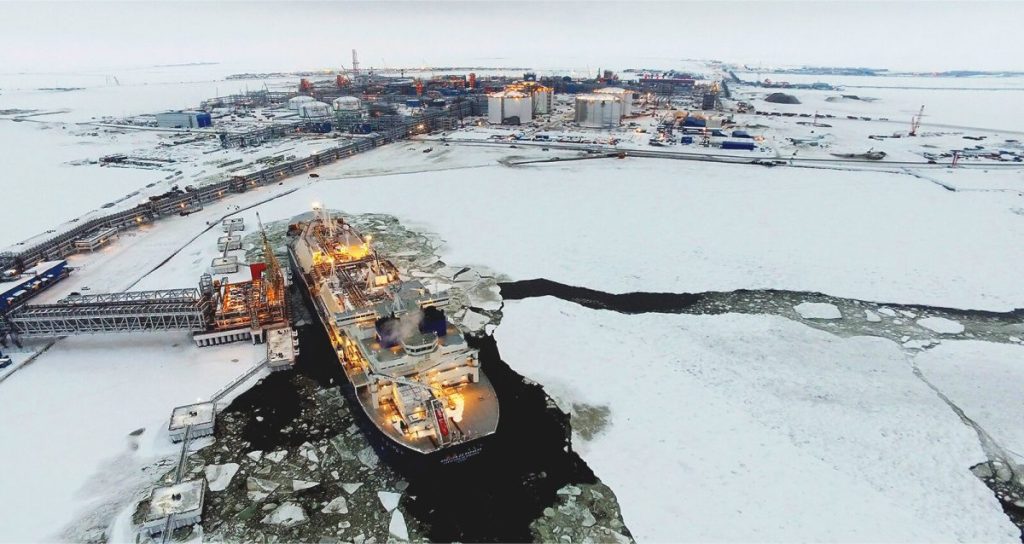
Yamal LNG depends on a small fleet of specialised Arc7 ice-class tankers to sustain exports through heavy sea ice. These vessels rely on fast turnaround times at European ports during the year’s most operationally constrained months.
The concentration of 98 per cent of Yamal exports to Europe is therefore structural, not incidental. Europe is not just a buyer. It remains the logistical backbone of Putin’s flagship Arctic LNG project.
EU sanctions have started, but the impact is still unclear
The EU has introduced new measures targeting Russian LNG, including restrictions affecting new short term Russian LNG contracts from 25 April 2026, while further measures are due to take effect later.
It is still too early to see how the short term contract restrictions will affect the market. But unless long term contracts are addressed, the lion’s share of Russian Arctic LNG can continue flowing to Europe.
The value of cargoes has also been inflated by higher gas prices since the Iran war and disruption risks around the Strait of Hormuz. In March, the average TTF front-month price rose from the €35 per MWh benchmark used for January and February to €52.87 per MWh. In April, the average remained high at €45.21 per MWh, based on Investing.com daily closing prices.
Zeebrugge remains a main gateway
Zeebrugge in Belgium received 8 cargoes in April alone, totalling 587,482 tonnes, equal to 36.3 percent of all Yamal LNG imports that month.
By 30 April, Zeebrugge had received 25 Yamal cargoes in 2026, totalling 1.84 million tonnes, or 26.9 percent of all Yamal LNG imports so far this year.
That means a tanker carrying Russian LNG from Yamal called at Zeebrugge roughly every 4.8 days.
Sebastian Rötters, Sanctions Campaigner at Urgewald, said:
“Europe has never imported this much LNG from Yamal in the first 4 months of the year since Putin launched the project in 2017.
“For 3 months in a row, every Yamal cargo that reached its final destination went to Europe. It shows that Europe keeps Russia’s Arctic LNG business alive.
“The EU’s ban on LNG imports via short term contracts is a step forward, but long term contracts remain the core problem.
“As long as these exist, Europe will continue sending money to a Russian gas project that doesn’t have a lucrative future without the EU.”
Vladimir Slivyak, Co Chair of Ecodefense and Right Livelihood Laureate, said: “Russia is under enormous economic pressure. Ukrainian attacks on Russia’s oil industry are exposing real vulnerabilities in the Kremlin’s war economy. At this critical moment for the Kremlin, the EU still holds the reins over one of Moscow’s key sources of revenue.
“But instead of cutting this source of income off and creating huge economic and reputational headaches for Putin, the EU imports record volumes of LNG from Yamal.
“If Europe wants this terrible war to end sooner, it should support the Ukrainian efforts to cut Russia’s main sources of income as soon as possible.”
Month by month
- January:23 cargoes reached EU ports, delivering 1.69 million tonnes.
- February:21 cargoes were delivered to the EU, totalling 1.54 million tonnes.
- March:25 cargoes were delivered to the EU, totalling 1.84 million tonnes.
- April:22 cargoes were delivered to the EU, totalling 1.62 million tonnes.
This article was originally posted at sweetcrudereports.com
Be the first to comment