Goli Innocent
Lagos — The Middle East crisis has upended global natural gas markets, triggering a supply shock that is reshaping trade flows, lifting prices and delaying the next major wave of liquefied natural gas supply.
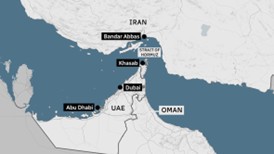
According to the International Energy Agency, disruptions to shipping through the Strait of Hormuz since March have effectively removed nearly one-fifth of global LNG supply from the market. That is no small disruption. The strait handles roughly 20 per cent of global LNG trade, making it one of the world’s most critical energy chokepoints.
The immediate impact has been severe. Natural gas prices in both Europe and Asia surged in March to their highest levels since January 2023. What had been a steadily rebalancing market has suddenly tightened again, forcing major importers to reassess supply strategies.
Before the crisis, the global gas market was moving in a more comfortable direction. Between October 2025 and February 2026, global LNG trade rose by 12 per cent year-on-year, supported largely by new liquefaction capacity in North America. During that same period, benchmark gas prices in Europe and Asia fell by around 25 per cent.
That easing trend has now been reversed. With LNG cargoes unable to move freely through Hormuz, global LNG production fell by 8 per cent year-on-year in March. Exports from Qatar and the United Arab Emirates dropped sharply, and while other suppliers increased output, they have not been able to fully close the gap.
The supply squeeze is already feeding into weaker demand. In Europe, natural gas consumption declined by about 4 per cent in March as higher prices encouraged conservation and stronger renewable generation displaced gas-fired power. Across Asia, several countries have accelerated fuel-switching measures to curb gas use and shield consumers from rising costs.
The implications extend well beyond the current disruption. Damage to LNG infrastructure in Qatar is expected to slow supply growth and postpone the anticipated global LNG expansion wave by at least two years. That delay could significantly alter market balances through the rest of the decade.
The IEA estimates that the combined effect of immediate supply losses and deferred capacity growth could result in a cumulative shortfall of around 120 billion cubic metres of LNG between 2026 and 2030. That is enough gas to materially tighten global markets and sustain upward pressure on prices.
For energy-importing nations, the message is clear. Supply security can no longer be taken for granted. Countries with diversified supply portfolios and long-term LNG contracts will be better positioned to manage future shocks.
The latest crisis also reinforces a broader lesson for global energy markets: geopolitical risk remains one of the biggest variables in gas pricing. Even as renewable energy expands, natural gas will continue to play a critical role in energy security, particularly during periods of weather extremes and grid instability.
For now, the global LNG market faces a longer period of tightness than previously expected. What was once forecast to be a supply-rich market by the late 2020s may now remain constrained well into 2027, with implications for prices, trade flows and energy security worldwide.
This article was originally posted at sweetcrudereports.com
Be the first to comment